
Home > showlist
Extrusion is a unique designed process to make items with plastic. One of those plastics that can be made using extrusion is known as PMMA. HAD YOU EVER HEARD OF PMMA? It’s short for Polymethyl methacrylate, a type of super plastic tough and crystal clear, so it’s great for uses like windows, signs, and even car parts.
When we refer to PMMA production and extrusion, we refer to the way this strong, clear plastic is turned into a variety of shapes and sizes. The method begins with melting PMMA pellets in an extruder. The molten PMMA is then passed through a unique mold called a die that gives the plastic its shape. The Jwell extrusion pmma hardens and holds its new shape when it cools.
Extrusion process to produce PMMA products has many advantages. The most obvious benefit is that the process is very fast and so a lot of PMMA products can be quickly and easily produced. Other advantages include the ability to custom-form PMMA to whatever size or shape desired, particularly useful for the various shapes and sizes of different PMMA products that may be used to suit a particular requirement.
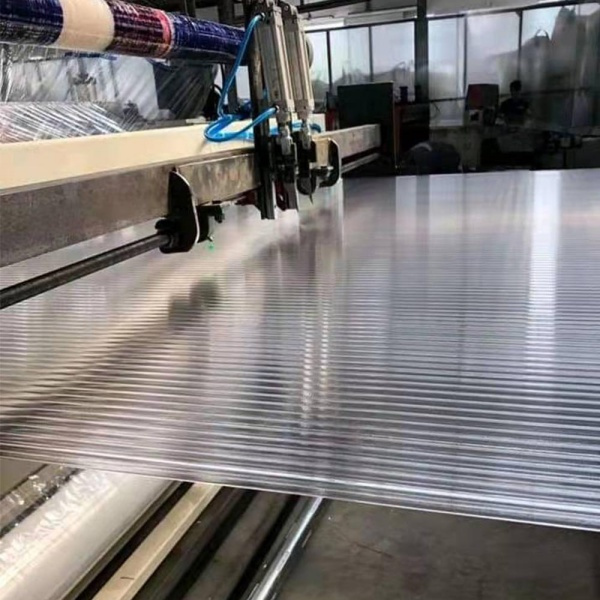
If you are lucky, the extrusion process does not always proceed as planned. One issue we see frequently is when the Jwell pmma gpps sheet extrusion line fails to melt correctly in the extruder. This can result in the plastics coming out uneven or with air bubbles in them. To correct this, the extruder temperature can be modified so that melting of PMMA is more uniform.

Here are a few things to ensure a smooth process of the extruding of PMMA products. One helpful thing is to ensure the quality and size of the PMMA pellets used for extrusion. One other thing that can be helpful is to keep the extruder and die clean and free from any debris that may make the Jwell pmma sheet extrusion line come out unevenly.
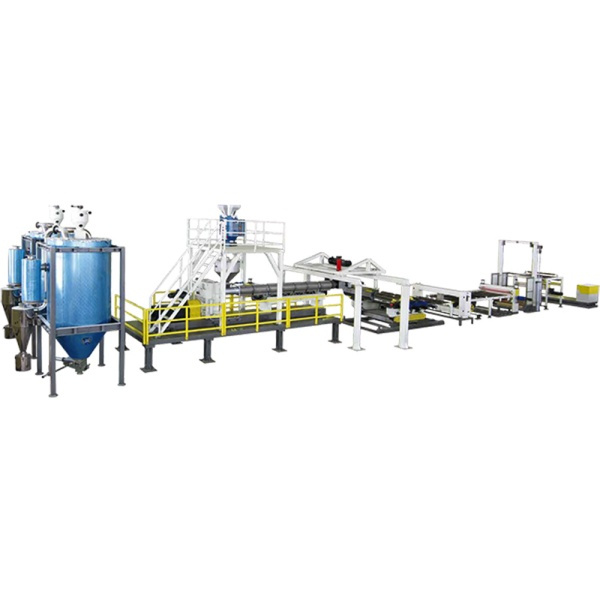
Some developments in extrusion technology for PMMA have been discussed over the past years. The leap forward, in terms of innovations, is given by the 3D printing using PMMA. These processes provide a faster, more accurate, means by which to manufacture advanced PMMA devices versus conventional extrusion-based processes. Another is adding additives to the PMMA pellets to alter the properties of the plastic, making it either more flexible or colored in a given shade.
 EN
EN ES
ES PT
PT AR
AR RU
RU FR
FR BG
BG HR
HR DA
DA NL
NL DE
DE EL
EL IT
IT JA
JA KO
KO NO
NO PL
PL RO
RO SV
SV TL
TL IW
IW ID
ID LT
LT SR
SR UK
UK VI
VI ET
ET HU
HU MT
MT TH
TH TR
TR FA
FA AF
AF MS
MS SW
SW BE
BE IS
IS AZ
AZ KA
KA LA
LA ZU
ZU KK
KK TG
TG UZ
UZ KY
KY XH
XH


