 EN
EN ES
ES PT
PT AR
AR RU
RU FR
FR BG
BG HR
HR DA
DA NL
NL DE
DE EL
EL IT
IT JA
JA KO
KO NO
NO PL
PL RO
RO SV
SV TL
TL IW
IW ID
ID LT
LT SR
SR UK
UK VI
VI ET
ET HU
HU MT
MT TH
TH TR
TR FA
FA AF
AF MS
MS SW
SW BE
BE IS
IS AZ
AZ KA
KA LA
LA ZU
ZU KK
KK TG
TG UZ
UZ KY
KY XH
XH

Products
- Plastic Sheet & Plate Extrusion Machine
- Plastic Film Extrusion Machine
- Special Engineering Plastic Extrusion Machine
- Prepreg Tape &Composite Production Line
- Plastic Pipe Extrusion Machine
- Plastic Profile Extrusion Machine
- Plastic Recycling Solution
- Plastic Compounding Machine
- Blow Molding Extrusion Machine
- T-die/Roller/Screw/and/Core Components
- Pulp Molding Machine
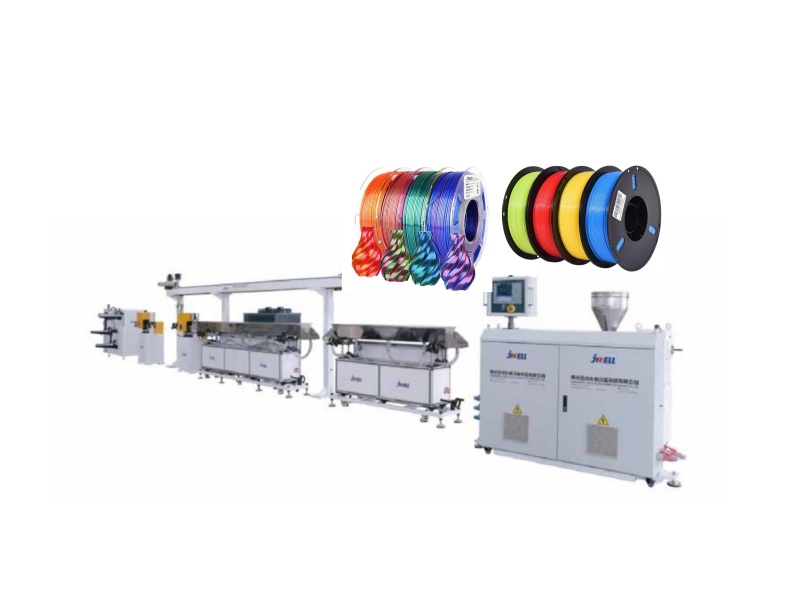
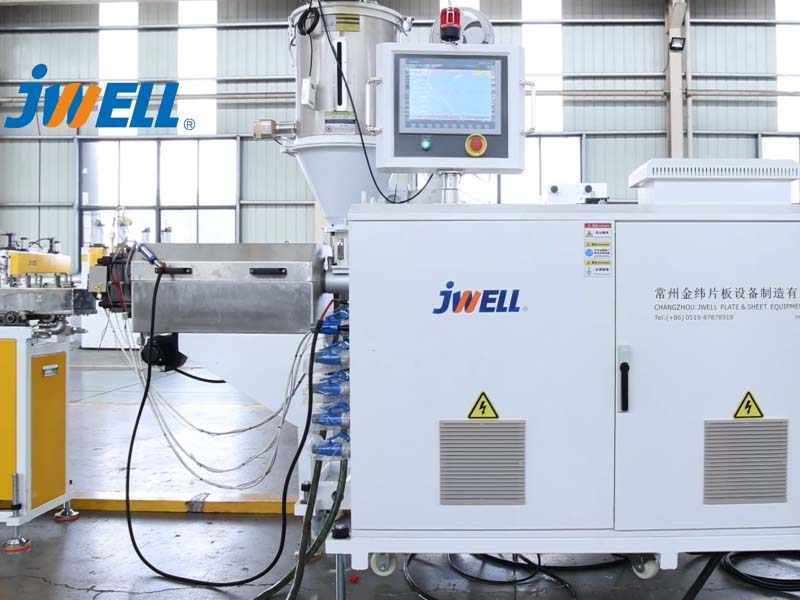

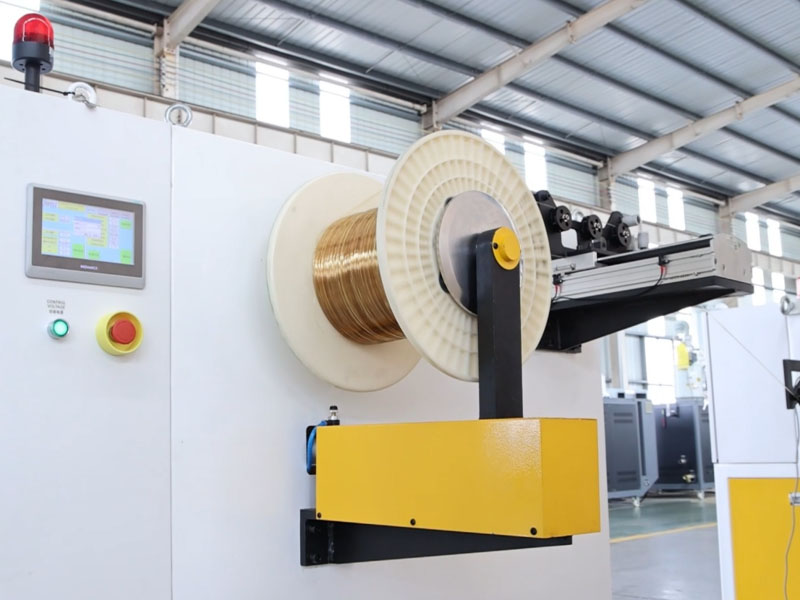

Peek/PLA/PETG/TPU/ABS 3D Printing Filament Extrusion Machine
| Place of Origin: | China |
| Brand Name: | JWELL |
| Certification: | CE ISO TUV UL,QS,GMP |
| Minimum Order Quantity: | ≥1 |
| Price: | To be negotiated |
| Delivery Time: | 75 days |
| Payment Terms: | T/T,L/C |
| Warranty: | One year |
| International Commercial Terms: | FOB,CIF,CFR,EXW |
Product Description
Equipment Features
● Precision Extrusion Technology: Produces filaments with uniform diameter and smooth surface, ensuring stable 3D printing performance.
● Broad Material Compatibility: Supports a wide range of thermoplastics, including PLA, ABS, PC, TPU, PA, and PEEK.
● Complete Turnkey Solution: Integrates all essential components—extruder main unit, cooling system, traction system, winding system, and auxiliary equipment—for end-to-end production.
● High Efficiency: Optimized workflow design minimizes material waste and maximizes output, suitable for both small-batch and large-scale manufacturing.
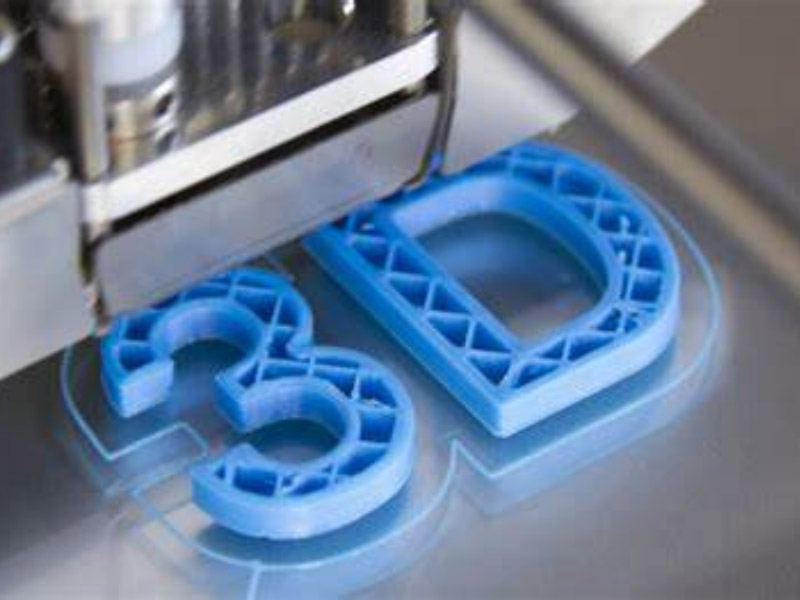
Applications

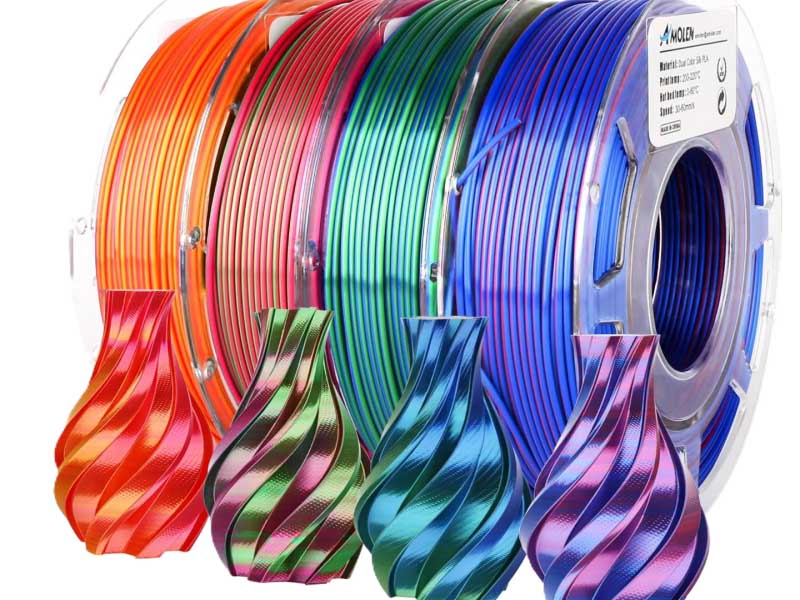
Specifications
| Model | Value |
| Applicable Materials | PLA, ABS, PETG, TPU, Nylon, PEEK |
| Filament Diameter Range | 1.75mm/2.85mm |
| Max. Output | 5-20KG/H |
| Screw Diameter | 25-45 |
| Screw L/D Ratio | 28:1 |
| Motor Power | 2.2 -7.5 kW |
| Temperature Control Zones | 5-15 kW |
| Heating Power | 10-30 m/min |
| Power Supply | 5-15 kW |
| Production Speed | 10-30 m/min |
| Cooling method | Water cooling +fan cooling |
| Tractor type | caterpillar tractor or roller type tractor |
| Coiling machine/winding | Automatic or manual (customizable according to requirements) |
Video
Product Processing
Production Line Process
1. Raw Material Preparation: Dry and mix thermoplastic pellets (e.g., PLA, ABS) to remove moisture and ensure consistency.
2. Extrusion: Feed the prepared material into the extruder, where it is melted and extruded through a precision die to form continuous filaments.
3. Cooling: Rapidly cool the extruded filaments using a water or air cooling system to maintain dimensional stability.
4. Traction & Sizing: Pull the cooled filaments through a sizing die to achieve the desired diameter (e.g., 1.75mm or 2.85mm).
5. Winding: Wind the finished filaments onto spools using an automated winding system, ready for packaging and distribution.
FAQ
Q: What causes no filament extrusion at the start of printing, and how to fix it?
A: Common causes include:
● Nozzle-platform gap too small: Adjust bed leveling to ensure a 0.1-0.3mm gap (e.g., using a piece of paper to test resistance).
● Slipping filament: Increase nozzle temperature (by 5-10°C) or reduce print speed to improve grip.
● Clogged nozzle: Preheat the nozzle to 240°C, then manually push filament or use a 1.5mm hex wrench to clear debris.
● Empty nozzle cavity: Add a "brim" in slicing software to prime the nozzle before printing the model.
Q: How to ensure uniform diameter of extruded filaments?
A: Key steps include:
● Precision extrusion die: Use a high-precision die (tolerance ±0.05mm) to control initial filament shape.
● Stable cooling: Employ a water cooling system with consistent temperature (20-25°C) to prevent warping.
● Traction speed control: Match traction speed to extrusion rate using a servo motor for real-time adjustment.
● Diameter monitoring: Integrate an online laser diameter sensor to automatically correct deviations.
Q: Can the extrusion line handle recycled plastic materials?
A: Yes. For recycled materials:
● Pre-treatment: Dry recycled pellets at 80-100°C for 2-4 hours to remove moisture.
● Filter system: Install a melt filter (100-200 mesh) to remove impurities (e.g., paper, ink).
● Material compatibility: Adjust screw speed and temperature (e.g., lower for brittle recycled PLA) to optimize flow.
Q: What maintenance is required for the extrusion line?
A: Regular maintenance includes:
● Daily: Clean the die head and check for material residue after production.
● Weekly: Lubricate traction rollers and inspect cooling water quality.
● Monthly: Replace filter screens and calibrate diameter sensors.
● Quarterly: Check screw and barrel wear; replace if diameter deviation exceeds 0.1mm.
Q: How to choose between water cooling and air cooling for filaments?
A: Water cooling: Ideal for PLA, TPU, and flexible materials. It ensures rapid, uniform cooling, reducing warping (recommended for high-speed production).
Air cooling: Suitable for ABS, PC, and high-temperature materials. It allows slower cooling to prevent internal stress (better for rigid filaments).
Hybrid system:Combine both for materials like PETG, balancing cooling speed and structural integrity.
Certification


