
Home > showlist
Plastic extrusion is the process that produces plastic shapes. The term “shape” is used in the plastics industry to connote a profile) by melting plastic pellets and then forcing the plastic under pressure through a die and cooling it. This is a known process in the production of Jwell products, such as pipe, tube and sheet. The plastic pellets are introduced into a hopper and melted. It is then forced through a die a plate with a hole at the middle and is shaped accordingly. Lastly, the plastic is cooled, and is cut in the desired length.
There are a variety of industrial applications for plastic extrusion. It is also applied extensively in the construction sector in the form of pipes and profiles. In the packaging sector, it is used to produce films and sheets. Also, plastic extrusion is widespread in automotive industry to produce hoses and seals.
Plastic extrusion of Jwell is one of the attractive and inevitable processes for cost effective production. It provides the possibility of mass production of the plastic parts which is expensive for the other molding process. Moreover, custom plastic extrusion is available for design and custom options, so that the products can be periphery fectly manufactured in particular shape and size.
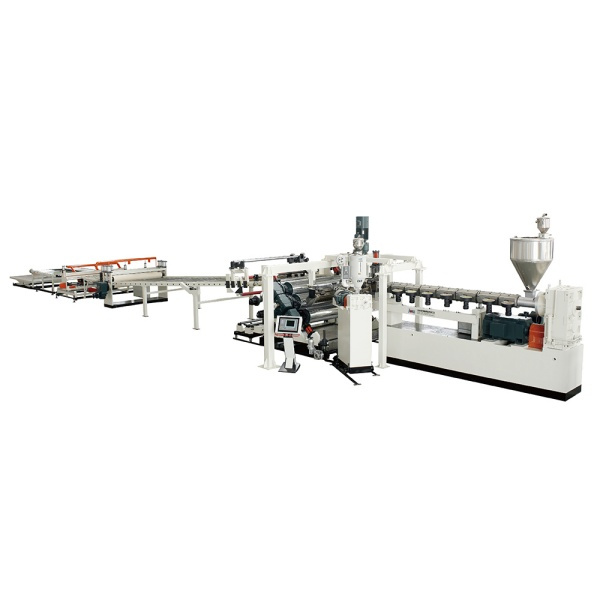
Plastic Extrusion Types of Jwell Plastic Extrusion: You will find a few main kinds of plastic extrusion profiles that can be accomplished to meet various demands. Blown film extrusion, the production of plastic film for packaging, is one such technique. Another is profile extrusion which for products with 3D shape and design would be applied. Sheet extrusion is another variety which is used to make plastic sheets such as those used in thermoforming, for packaging and in the construction industry.
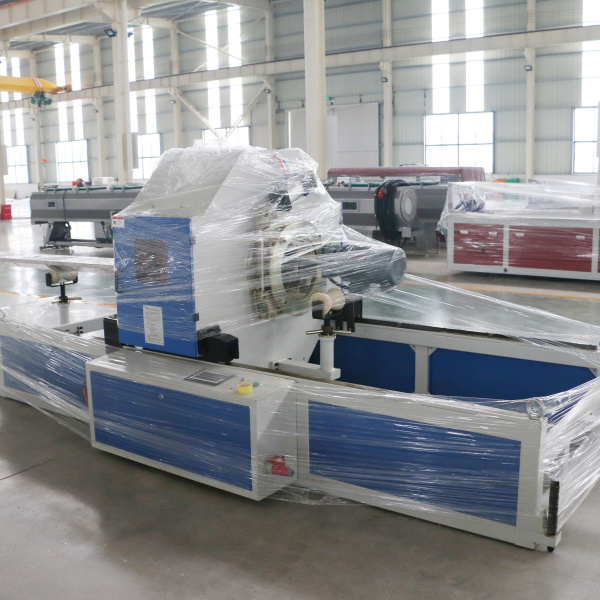
Although Jwell great plastic extrusion machine is a highly efficient and adaptable manufacturing technique, it occasionally experiences problems that require attention. A common problem on this apparatus is the formation of melt fracture (which appears as rough material surfaces on the extruded product). This may be due to high melt temperatures or inadequate die design. Another common problem is insufficient cooling, which can cause the final product to warp or lose its shape. These problems can be avoided through good maintenance and a careful control of the extrusion process.
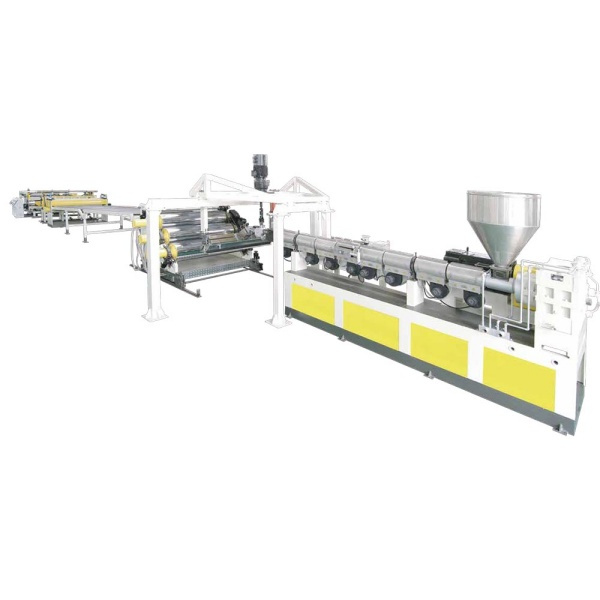
A number of developments in Jwell plastic extrusion technology have led to increases in the efficiency and quality in plastic extruder in recent years. An example of an innovation is the adoption of computerization techniques in the control system, which facilitate a more accurate control and regulation of the extrusion process. A second area of invention is of new materials which provide enhanced strength and durability. It is these technological innovations that are propelling the flourishing of the plastic extrusion industry and providing opportunities for manufacturers.
 EN
EN ES
ES PT
PT AR
AR RU
RU FR
FR BG
BG HR
HR DA
DA NL
NL DE
DE EL
EL IT
IT JA
JA KO
KO NO
NO PL
PL RO
RO SV
SV TL
TL IW
IW ID
ID LT
LT SR
SR UK
UK VI
VI ET
ET HU
HU MT
MT TH
TH TR
TR FA
FA AF
AF MS
MS SW
SW BE
BE IS
IS AZ
AZ KA
KA LA
LA ZU
ZU KK
KK TG
TG UZ
UZ KY
KY XH
XH


