
Home > showlist
Thermoplastic extrusion lines are wonderful machines for making all sorts of plastic things. This guide will help you understand how these Jwell thermoplastic extrusion line work, what they can and cannot do and how to guarantee they’re working well.
Thermoplastic extrusion lines are enormous machines that melt and shape plastic pellets into long shapes. These forms can be turned into things like pipes, tubes, sheets, and so forth. The machine starts with plastic pellets. The pellets are heated until melted. Once melted, they are pushed through a special tool, a die, that shapes the plastic into the desired form. The plastic is then cooled, and cut to correct size.
In order for a thermoplastic extrusion line to operate effectively—and efficiently—without too much downtime and producing a large volume of good parts, it must be maintained. To do the latter, you have to regularly check the Jwell thermoplastic extrusion machine for issues, check whether you have enough plastic pellets to use, and tamper with settings so you can get the parts just right. Quality and speed of production will be improved if the machine is appropriately managed and functioning appropriately.
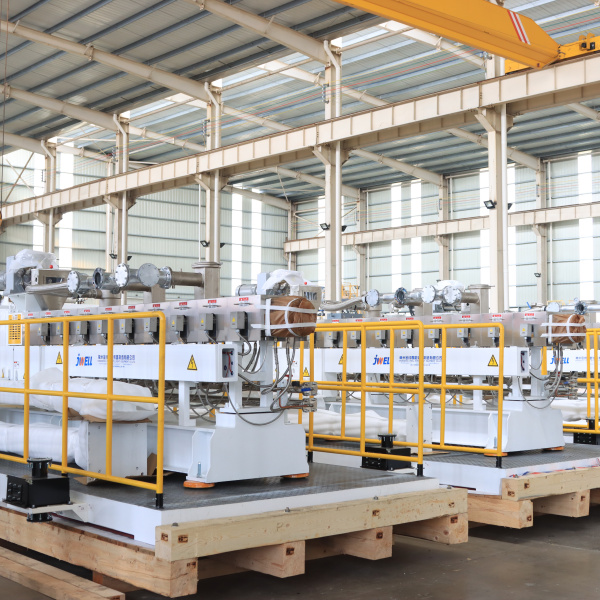
The process of thermoplastic extrusion is used in multiple industries to manufacture various products. In construction, it used to make windows and doors, pipes and pipe fittings, and profiles in diverse shapes and sizes. For packaging; it is employed in the manufacturing of containers, bottle and traders. It is used to manufacture car and truck parts, in automotive. Thermoplastic Extrusion Applications are endless.
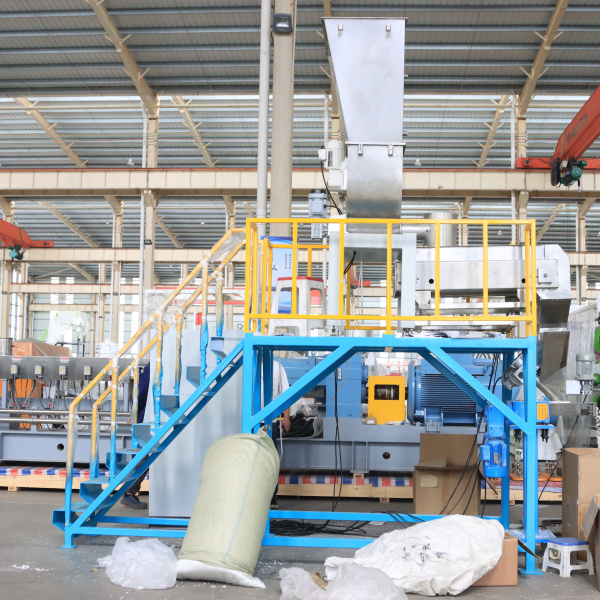
Uh-oh. Maybe in a thermoplastic extrusion line once in a while, something goes wrong. For one thing, the plastic may not melt properly, the parts may not come out the right size or the machine may jam. If that does happen, it's nice to know how to fix it. That may be adjusting the temperature, changing the speed of the machine or in some cases, unclogging the machine. If you know how to diagnose and address the most common issues, you can keep your machinery running smoothly and avoid delays.
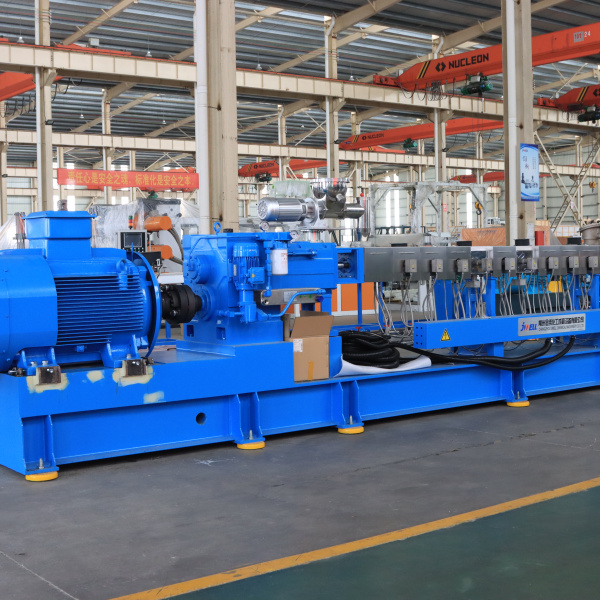
And with technology, extrusion lines have improved also. Recent additions and innovations are being incorporated for better efficiency and speed in these Jwell thermoplastic extrusion as well as better quality. For example, some machines now have sensors that can tell when something is up and automatically make the adjustments to fix it. Some others are made of new materials and coated, for even greater durability and more efficient function. So long as you are up-to-date with the latest developments, you can be confident that your thermoplastic extrusion line is as effective as it can be.
 EN
EN ES
ES PT
PT AR
AR RU
RU FR
FR BG
BG HR
HR DA
DA NL
NL DE
DE EL
EL IT
IT JA
JA KO
KO NO
NO PL
PL RO
RO SV
SV TL
TL IW
IW ID
ID LT
LT SR
SR UK
UK VI
VI ET
ET HU
HU MT
MT TH
TH TR
TR FA
FA AF
AF MS
MS SW
SW BE
BE IS
IS AZ
AZ KA
KA LA
LA ZU
ZU KK
KK TG
TG UZ
UZ KY
KY XH
XH


