
Home > showlist
Nylon extrusion is a really cool process, and it produces all sorts of things. Here is how Jwell nylon extrusion works — and why it matters in manufacturing.
Nylon extrusion involves melting plasticized nylon, a tough and durable type of plastic, and molding it into different shapes. This is typically done with a machine called an extruder that heats the nylon until it melts. The liquid nylon is then extruded (the same way your pasta maker squirts out the dough except that it has significantly more gas pressure) through a die (that’s your mold) to form the shape of the part. After cooling and solidification, nylon can be used to make products.
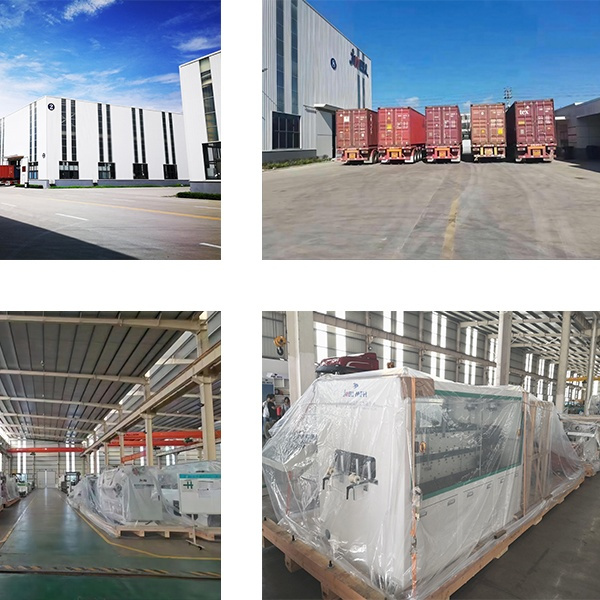
There exists a number of benefits of the nylon extrusion process that have made it one of the most popular techniques used for production. One of the greatest strengths of this Jwell nylon extrusion machine is its ability to develop very complex shapes and designs that would be extremely difficult or impossible to do with other methods of manufacture. This can help companies to create unique, innovative solutions that set them apart from their competitors. Further, when formed from nylon by means of extruded such articles can be formed to have substantially uniform dimensions and consistent quality and strength, and to meet high quality standards.
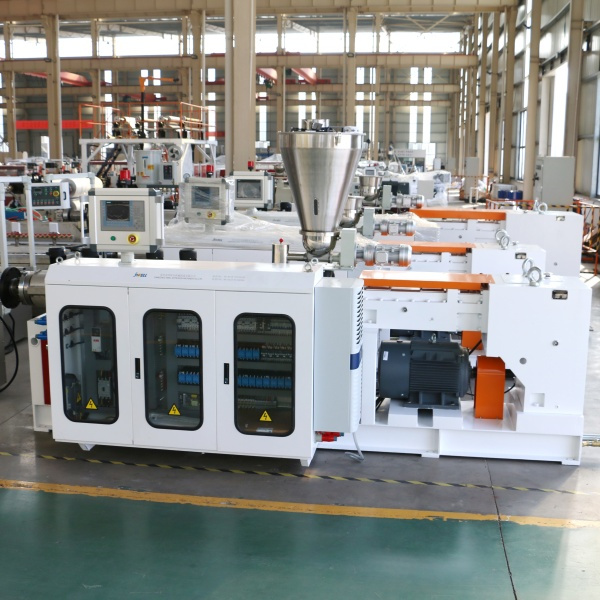
Nylon extrusion is used in a wide range of industrial applications to produce a variety of products. We see the consequences of nylon extrusion in the cars we drive – fuel lines, hoses and tubing in our autos all are products of nylon extrusion in the automotive industry. Nylon extrusion is also used to create things like toothbrush bristles, fishing lines and zippers in the consumer goods sector. Jwell nylon extrusion profiles is used to manufacture medical supplies such as surgical sutures, catheters, and more.

Nylon extrusion is a great manufacturing process but sometimes it can have some hiccups. There are a couple common issues and poor adhesion is the most common (nylon is not adhering correctly during the extrusion). This can be caused by bad/wrong temperatures, dirty equipment, or crummy nylon. Then there is the issue of warping, a final less product stable and dependable in upholding shape. Excessive fringing may be caused by non-uniform cooling as well as incorrect extrusion shaping. By understanding and correcting these issues, extruders can assure smooth sailing when running nylon.
Nylon extrusion has progressed over the years in this tech filled generation. A very peculiar tendency, concerning the nylon extrusion technology is the development of new, better, materials that provide enhanced combination of properties, better performance, having improved mechanical strength, flexibility, heat resistance, etc.
 EN
EN ES
ES PT
PT AR
AR RU
RU FR
FR BG
BG HR
HR DA
DA NL
NL DE
DE EL
EL IT
IT JA
JA KO
KO NO
NO PL
PL RO
RO SV
SV TL
TL IW
IW ID
ID LT
LT SR
SR UK
UK VI
VI ET
ET HU
HU MT
MT TH
TH TR
TR FA
FA AF
AF MS
MS SW
SW BE
BE IS
IS AZ
AZ KA
KA LA
LA ZU
ZU KK
KK TG
TG UZ
UZ KY
KY XH
XH


