
Home > showlist
Plastic Tube Extrusion There are few things as interesting as plastic tube an extrusion way to create tubes from plastic materials. At Jwell, we are experts in plastic tube extrusion, and we want to tell you more about how this piece of machinery works.
Plastic tube extrusion is process of melting plastic materials to shape one continuous tube. The operation starts by feedings plastic materials in to the then hopper heated and melted. After the plastic is melted, it is extruded through a die that forms the molten plastic into a tube. The tube is then cooled and cut off to the desired length.
For example, the life of a plastic tube starts with the selection of the raw materials. These materials can be of PVC, but also polyethylene, depending on tube characteristic. When the raw materials are chosen, they are placed into the Jwell custom plastic tube extrusion where they are melted and heated. There is a molten plastic, formed into a tube as it is extruded through the die. After the tube is made, it's cooled and cut to length. Finished plastic tube is then available for use in many fields.
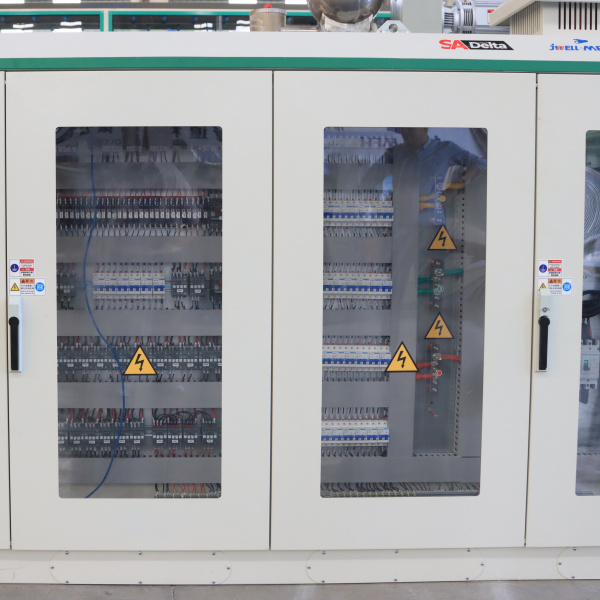
Why plastic tube extrusion is beneficial to the industry. One of their main advantages is their possibility to make tubes with uniform sizes and with high precision. This is important in applications demand close tolerances. Moreover, Jwell extrusion plastic tube method is also a low-cost production process and are a good choice for those companies that are look for a way to reduce their production costs. Extruded plastic tubes are also light weight, yet strong, and can be tailored to particular needs with relative ease.
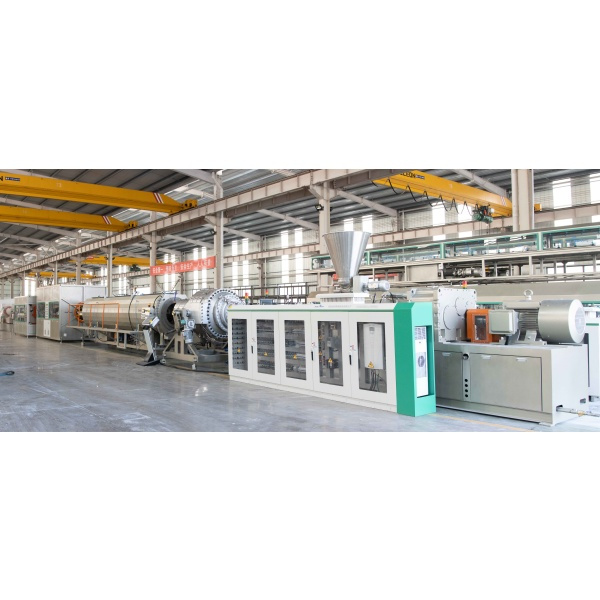
Extrudable plastic tubes come in a variety of types. Some general forms are composed of PVC tubes, polyethylene tubes, and polypropylene tubes. Versatile PVC tubes are ideally suited for a variety of uses such as homebrew and beer, soda totes, wine making, as well as DIY and crafts. Tubes of polyethylene are lightweight and flexible, enabling them for use in applications that require transportability. Polypropylene tubes are chemically-resistant and ideal for use in medical and pharmaceuticals.
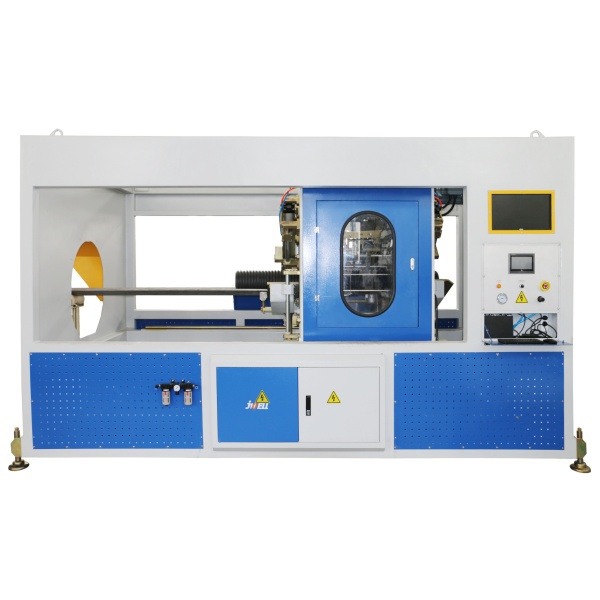
In the past, there have been a number of developments in the art of plastic tubing extrusion which have enhanced the manufacturing efficiency and quality. One such development was the application of the process of co-extrusion where plastic, including tows and filaments, is extruded as multiple layers of plastic to make tubes with desired characteristics. A further development is using alternative materials, like biodegradable plastics, to produce recyclable plastic tubes. These advances have contributed to the development of an environmentally friendly and sustainable plastic tube extrusion process.
 EN
EN ES
ES PT
PT AR
AR RU
RU FR
FR BG
BG HR
HR DA
DA NL
NL DE
DE EL
EL IT
IT JA
JA KO
KO NO
NO PL
PL RO
RO SV
SV TL
TL IW
IW ID
ID LT
LT SR
SR UK
UK VI
VI ET
ET HU
HU MT
MT TH
TH TR
TR FA
FA AF
AF MS
MS SW
SW BE
BE IS
IS AZ
AZ KA
KA LA
LA ZU
ZU KK
KK TG
TG UZ
UZ KY
KY XH
XH


