
Home > showlist
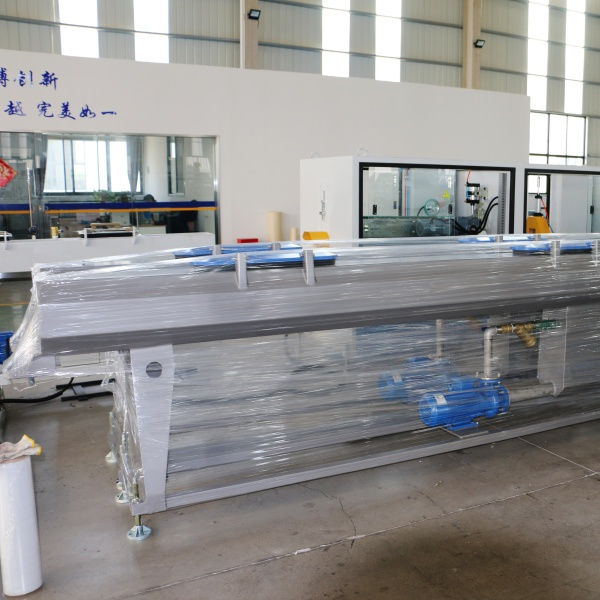
To perform the plastic pipe extrusion, the first thing you need to do is to gather all the materials you will require. These are typically plastic pellets that are available in different colors and types. After the pellets are prepared, they are heated in a machine called an extruder. The Jwell plastic pipe extrusion melts the plastic pellets down into a gummy liquid that can be molded into shape.
The molten plastic then travels through a die, a mold that shapes the emerging plastic so that it forms a long, skinny novelty called a strand. The die is a unique shape that molds the liquid plastic into its hollow pipe shape. As the plastic emerges from the die, it cools and solidifies to form a continuous pipe. Finally, the pipe is trimmed to the proper length and prepared for shipping.
They are of light weight, thereby facilitate their transport and installation. Jwell plastic pipe extrusion machine are also corrosion-resistant, and so do not rust or corrode over time, as do the metal pipes. In addition, plastic pipes are bendable which allows for them to be easily routed in order to go around obstacles.
There are various plastics that are suitable for pipe extrusions. The most common plastics used are PVC, PE and PP. PVC is known as polyvinyl chloride, a rigid plastic used widely in drainage pipes. PE, or polyethylene, is more pliable and is commonly used for water pipes. PP, or polypropylene, is a tough plastic commonly used for industrial pipes.
It is a type of plastic that has its own unique characteristics and advantages. PVC, for instance, stands up to chemicals and sunlight, so it’s commonly used in outside pipes. The former is malleable and easy to process, while the latter is sturdy and tolerant to heat. A manufacturer can create size and length specifics by selecting the proper type of plastic for the job.
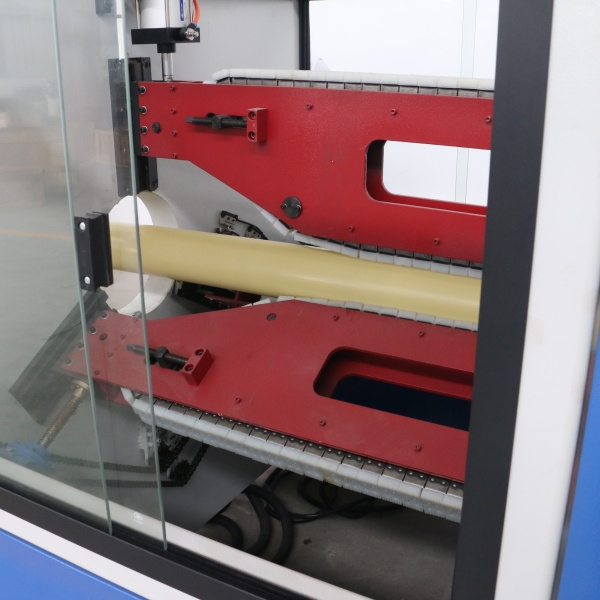
Quality control are also a significant aspect of the extrusion of the plastic pipes. Manufacturers employ a number of tests and inspections to ensure that the pipes comply with safety and performance standards. These tests could also be used to measure the pipe thickness, inspect leaks and test the strength of the materials.
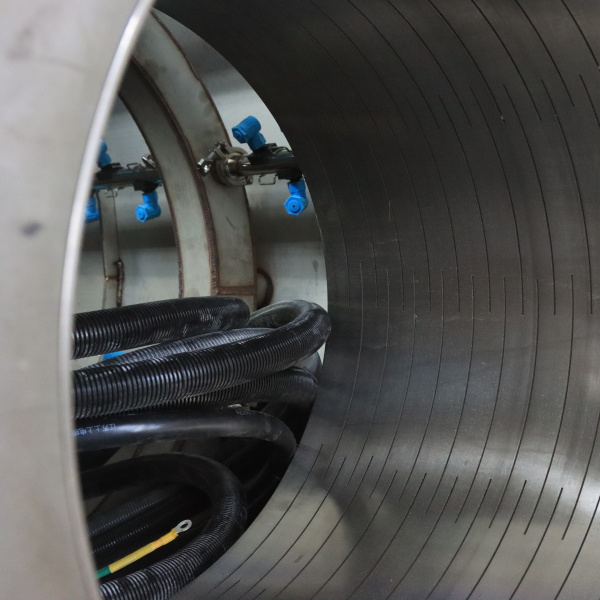
The development of plastic pipe extrusion as technology develops and advances, the process of plastic pipe extrusion evolves. It is easier and faster to make plastic pipes thanks to advances in Jwell plastic pipe extrusion line and equipment. Jwell, for instance, has created advanced extruders capable of processing high volumes of plastic pellets that can produce pipes in the blink of an eye.
 EN
EN ES
ES PT
PT AR
AR RU
RU FR
FR BG
BG HR
HR DA
DA NL
NL DE
DE EL
EL IT
IT JA
JA KO
KO NO
NO PL
PL RO
RO SV
SV TL
TL IW
IW ID
ID LT
LT SR
SR UK
UK VI
VI ET
ET HU
HU MT
MT TH
TH TR
TR FA
FA AF
AF MS
MS SW
SW BE
BE IS
IS AZ
AZ KA
KA LA
LA ZU
ZU KK
KK TG
TG UZ
UZ KY
KY XH
XH


